First World War · 1915 – 1919
The Pioneers in brief
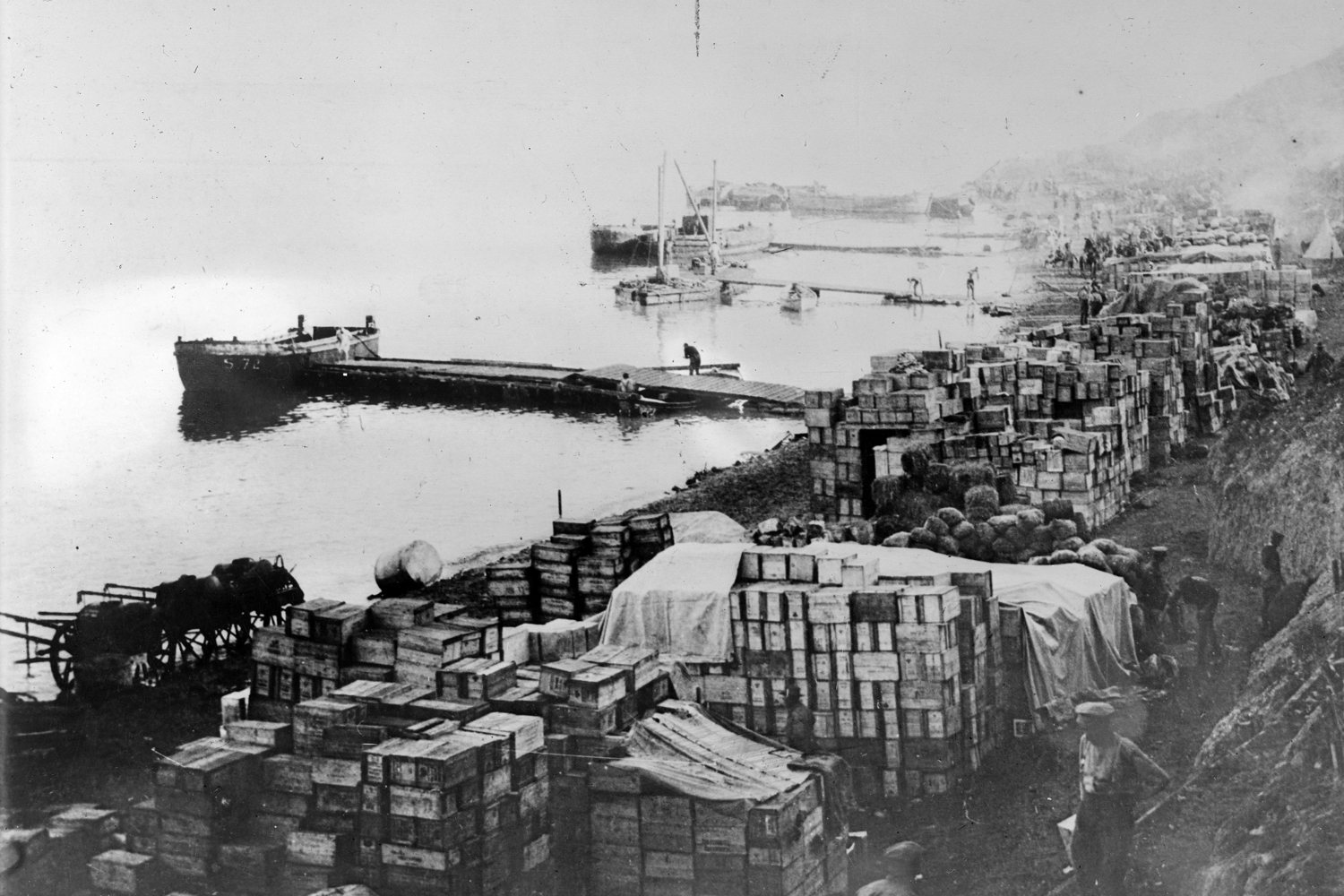
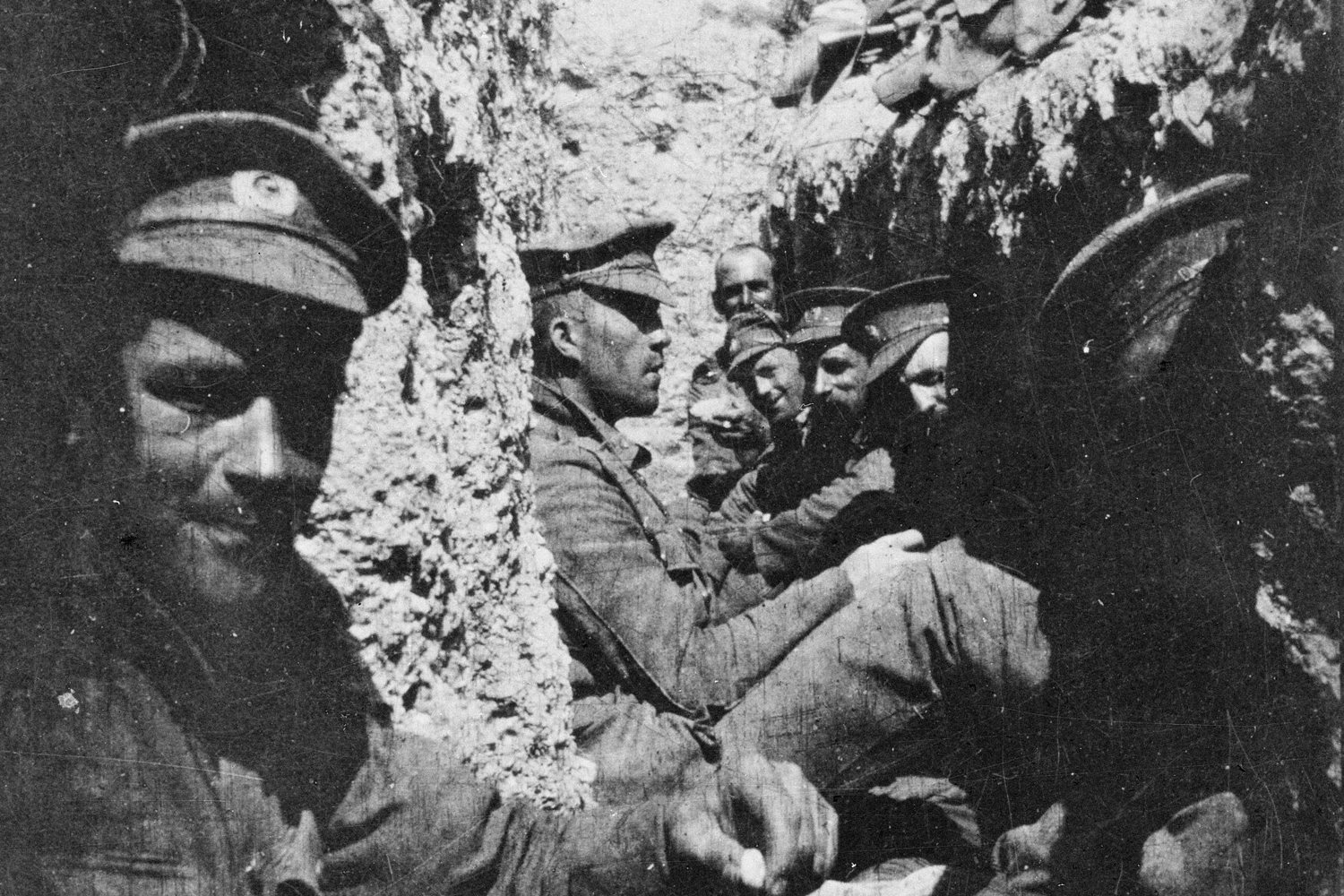
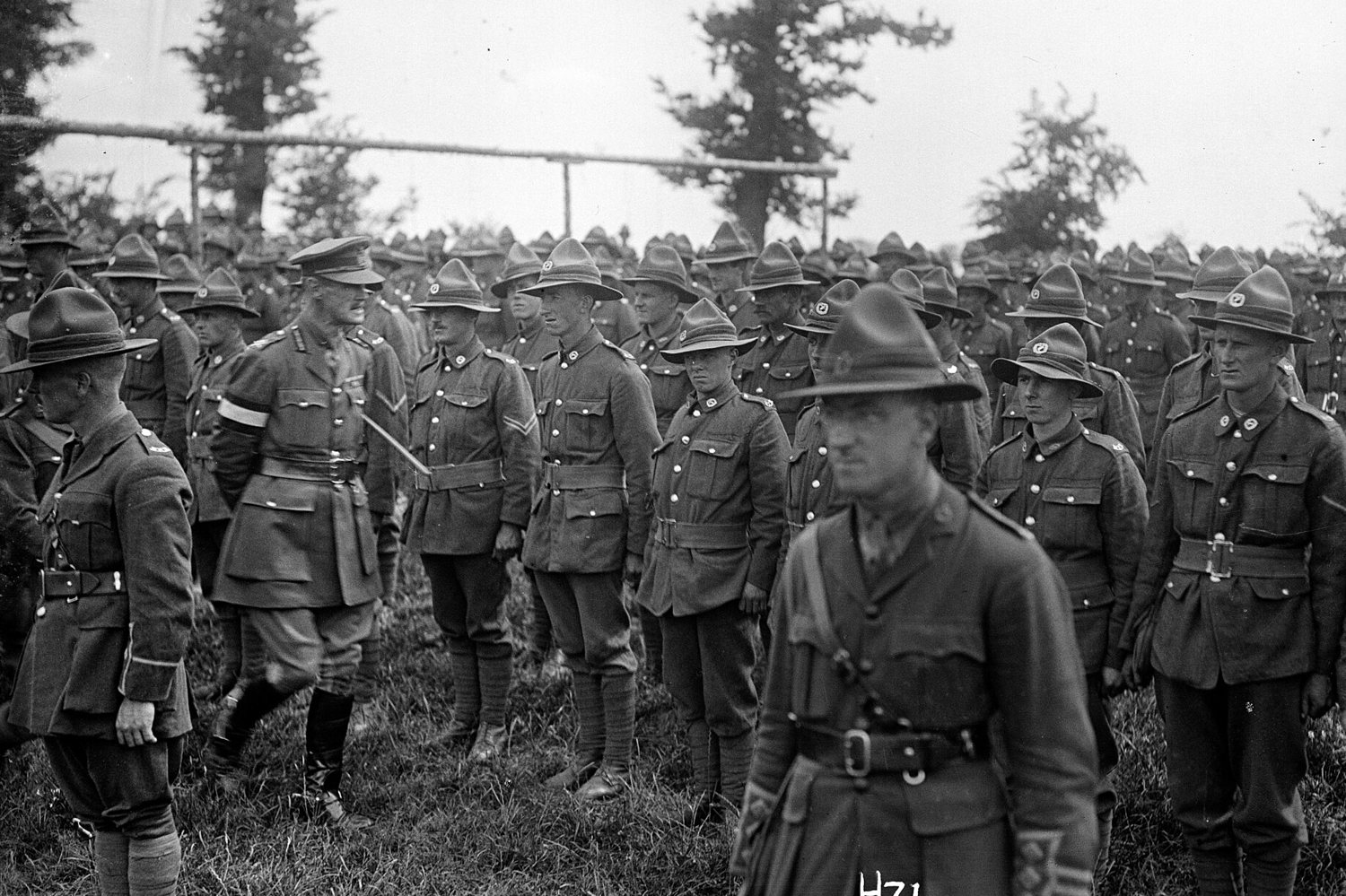
The Native Contingent sailed from New Zealand on 14 February 1915 on the Warrimoo, some 500 Māori volunteers for the Gallipoli campaign. In our directory, 511 men are recorded sailing on that single day. They fought and worked alongside the Anzacs on the peninsula until the evacuation at the end of 1915.
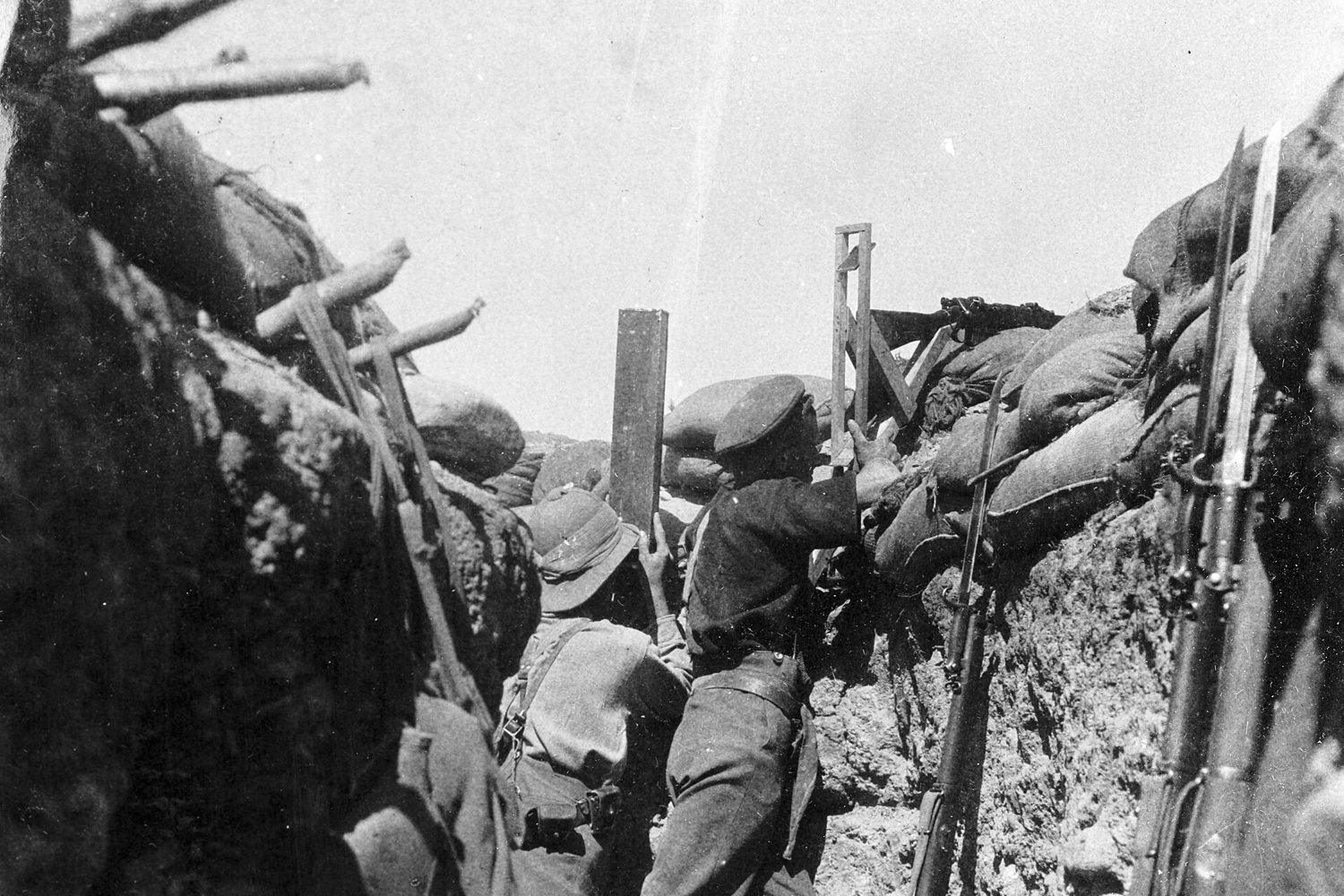
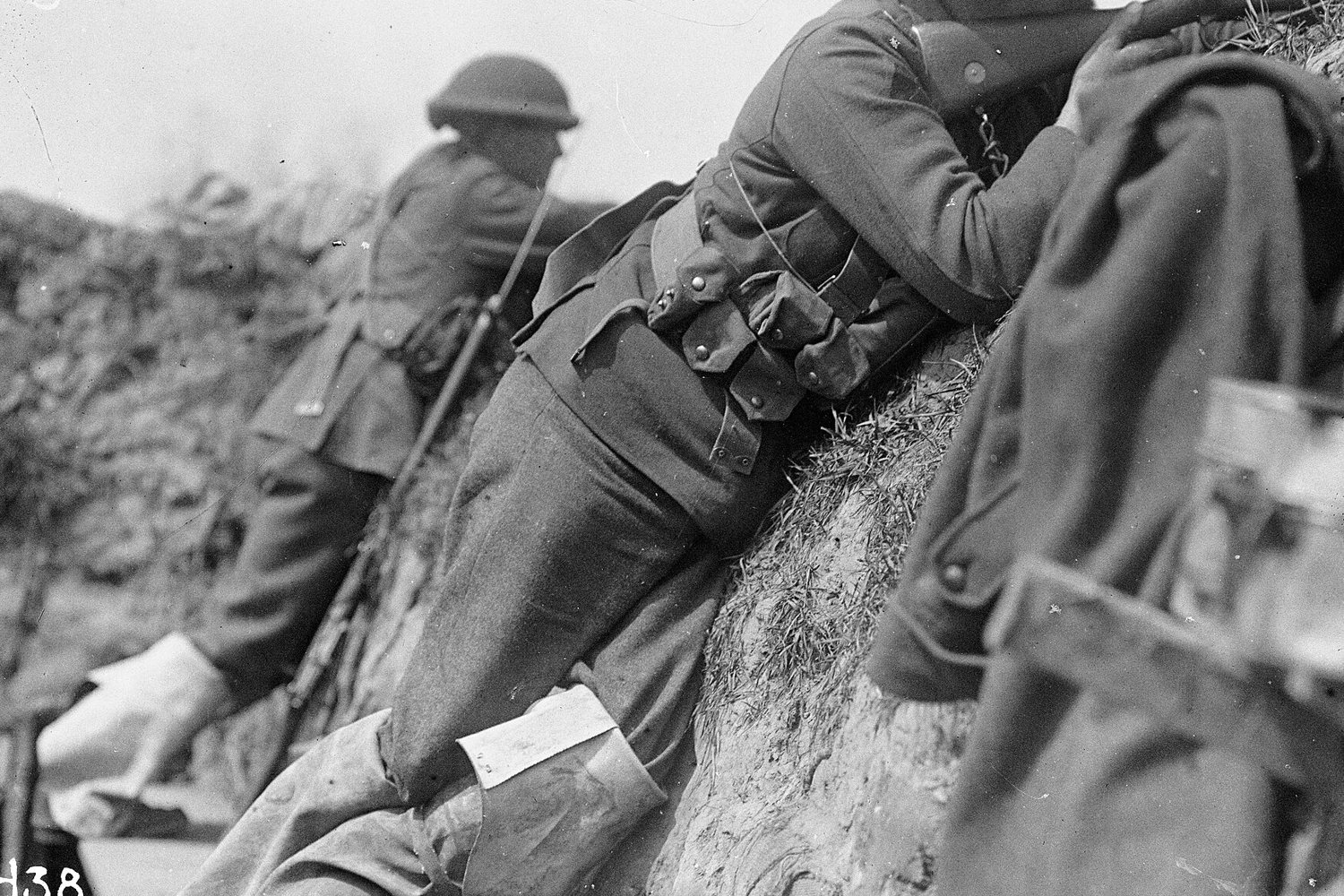
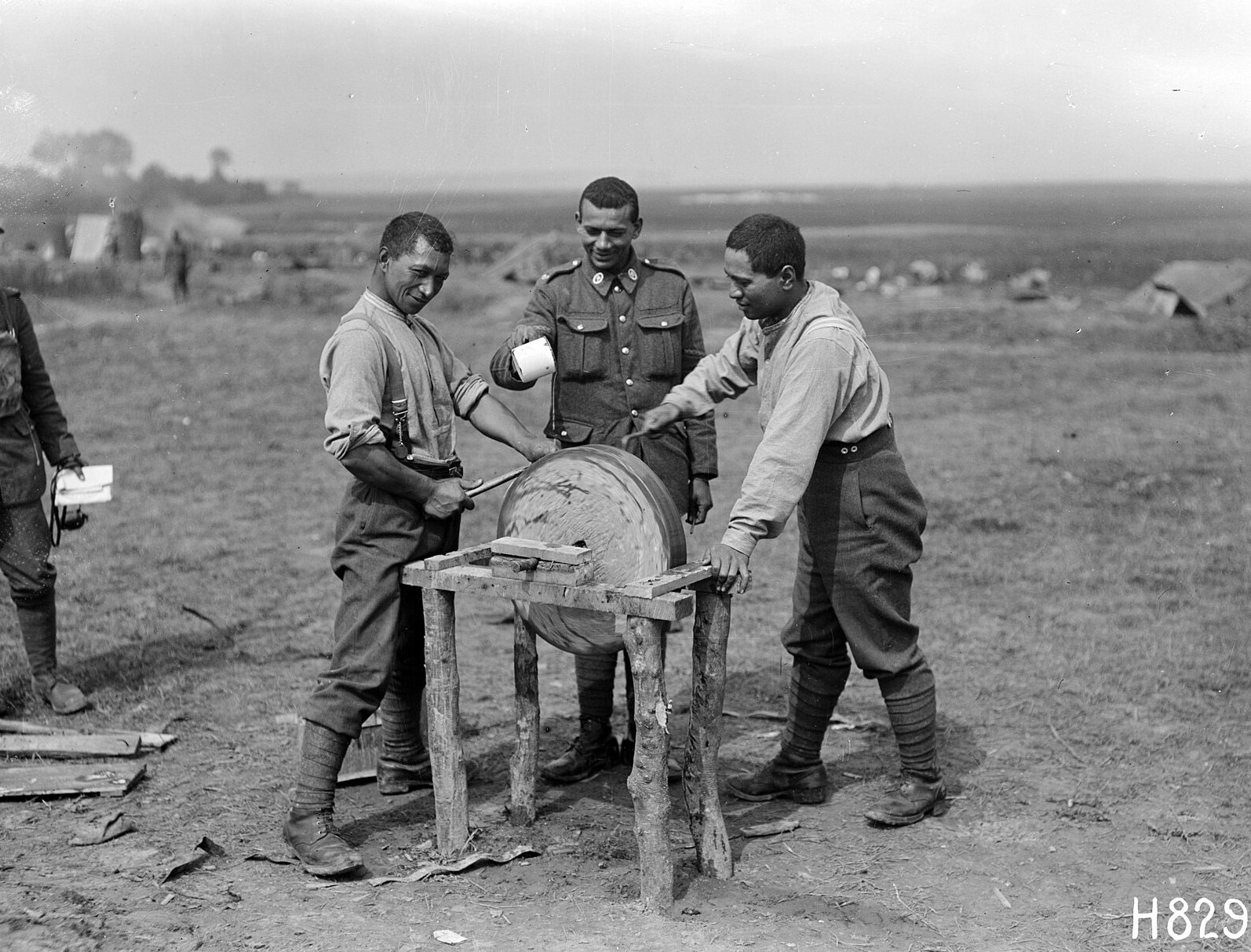
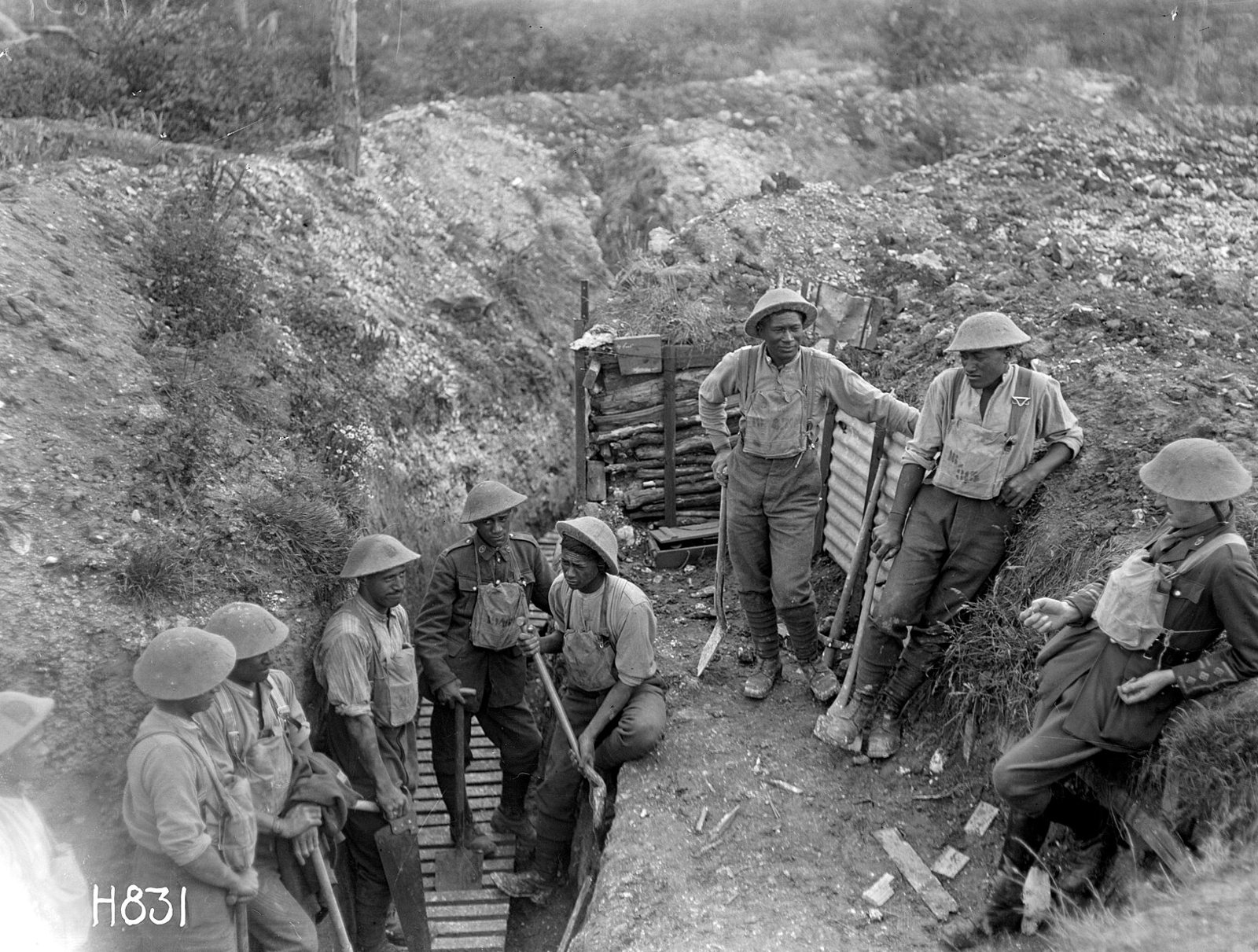
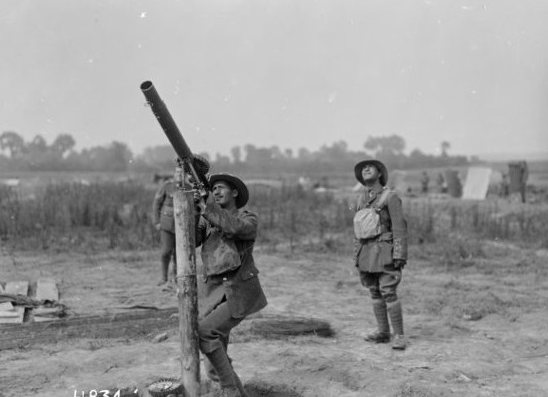
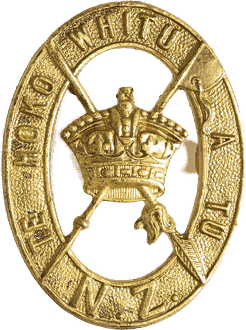
In March 1916, in Egypt, the Contingent’s men were formed into the Pioneer Battalion, with two Māori and two Pākehā platoons in each company. On 1 October 1917 it became an all-Māori unit, the New Zealand (Māori) Pioneer Battalion, known by the name Te Hokowhitu‑a‑Tū, the war party of Tūmatauenga, the god of war. Reinforcements followed, and men from Rarotonga and Niue served alongside them. A Pioneer battalion was infantry trained as a working force: they dug trenches, built and mended roads and tracks, laid wire and built dugouts, and often did it under fire.
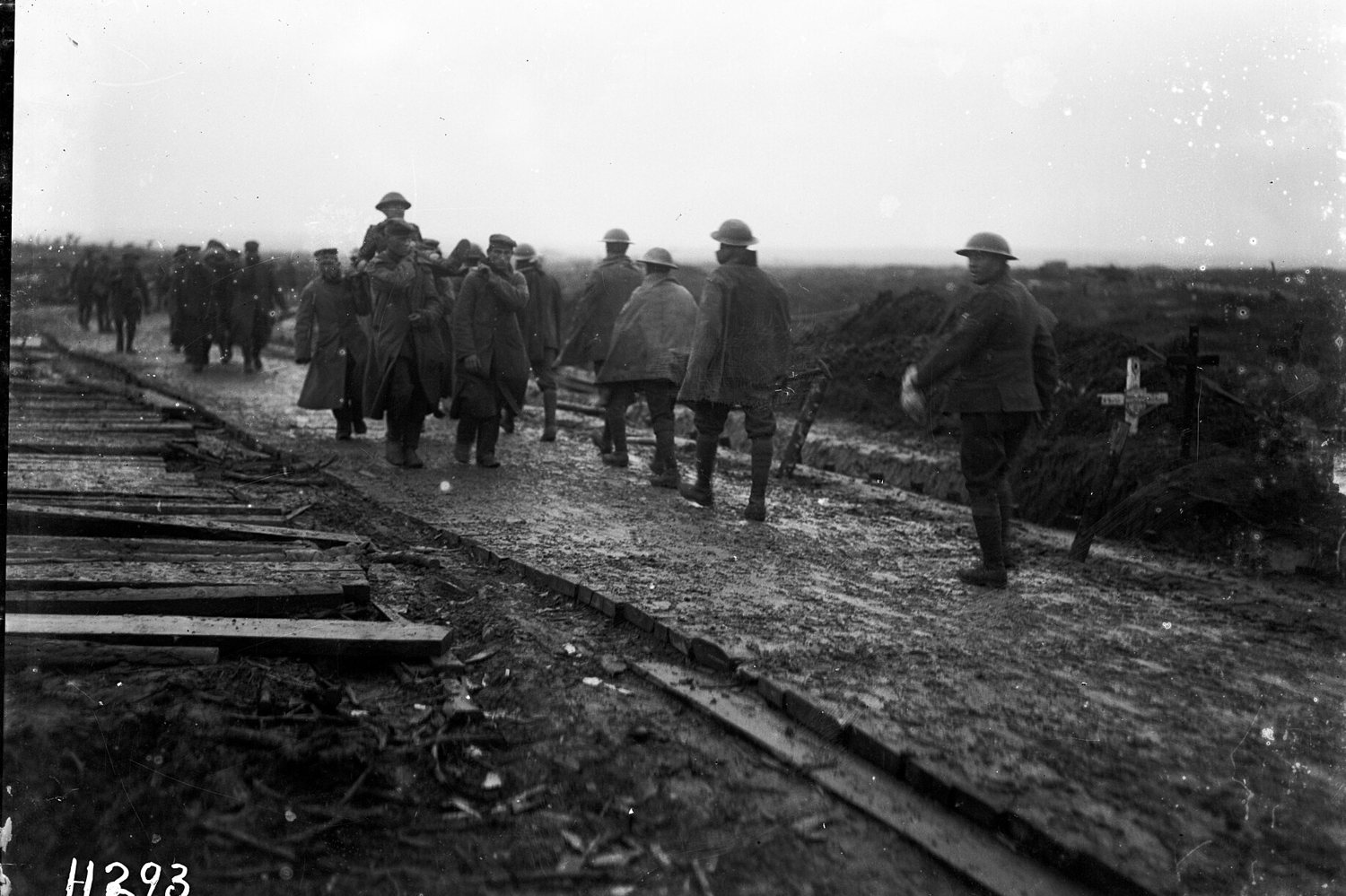
The Pioneers reached the Western Front in April 1916 and worked through the great battles of the war, among them the Somme in 1916, Messines and Passchendaele in 1917, and the advance of 1918. The men came home in 1919. Their service records are digitised and free to read, and our directory holds 1,522 Māori Contingent and Pioneer records. If your whānau had a man among them, his regimental number will usually begin with 16/.
Summary compiled from general histories of the Māori Contingent and Pioneer Battalion; the sailing date and the counts come from the Auckland Museum Online Cenotaph (CC BY). Details are worth checking against his own service record.
Māori and the Crown · 1840 – 1918
A hard choice
When the war began in 1914 the Treaty of Waitangi was seventy-four years old, and the wars over land in Waikato, Taranaki and elsewhere were still within living memory. In 1863 the Crown’s forces invaded the Waikato, and afterwards land was confiscated from iwi as a punishment for “rebellion”. Many of the Māori who went to the First World War had grown up among people who had lived through those years.
Even so, iwi offered fighting men in the first days of the war. Te Arawa made its offer two days before Britain declared war on Germany. At first the offer was turned down, because the imperial authorities did not want non-European troops in a war between European powers. Māori leaders, among them Apirana Ngata and Maui Pōmare, argued that Māori should be allowed to fight as New Zealanders and as part of the Empire, and in September 1914 a contingent of 500 was accepted.
For many volunteers it was a way to show that Māori belonged, to earn a voice in the country’s future, and to uphold the mana of their iwi. Not everyone agreed. Many in Taranaki and Waikato‑Tainui had lost land and did not feel they owed a debt to the Crown. The Kīngitanga leader Te Puea Hērangi reminded people that her grandfather, King Tāwhiao, had forbidden Waikato to take up arms again after he made peace in 1881, and that Waikato had its own King. When conscription was applied to Waikato, many men refused. Some were arrested, and fourteen were court-martialled and imprisoned, some of them until after the war had ended.
The men who sailed with Te Hokowhitu‑a‑Tū and the men who stayed home were answering the same history in different ways. It was not a simple choice, and it is part of the story of every Māori soldier we are asked to honour.
Read more, freely available online